Master Authentic Taqueria Carnitas Pork at Home: Your Ultimate Guide
There are few culinary experiences as satisfying as a perfectly crafted taco, overflowing with rich, succulent carnitas taqueria style pork. The hallmark of truly exceptional carnitas is its sublime duality: melt-in-your-mouth tenderness contrasted with irresistibly crispy, caramelized edges. This isn't just cooked pork; it's a culinary triumph, a staple of Mexican cuisine that transforms humble pork shoulder into a symphony of textures and flavors. While many believe this magic can only happen in a bustling Mexican taqueria, we're here to demystify the process and empower you to recreate this authentic experience right in your own kitchen.
Forget dry, flavorless pork. This comprehensive guide will walk you through every critical step, from selecting the right cut of meat to the essential techniques that deliver that authentic taqueria taste and texture. Get ready to impress your family and friends with Unlock The Secrets of Perfect Taqueria Carnitas.
The Foundation: Choosing Your Pork and Essential Ingredients
The journey to transcendent carnitas taqueria style pork begins with the right ingredients. Quality matters immensely here, as the simplicity of the recipe means each component plays a starring role.
- The Pork Cut: The undisputed champion for carnitas is pork shoulder, also known as pork butt or Boston butt. This cut is rich in intramuscular fat and connective tissue, both of which render down beautifully during slow cooking, resulting in unparalleled moisture and flavor. Avoid leaner cuts like loin, as they will dry out and lack the characteristic richness.
- The Fat: This is arguably the most crucial ingredient beyond the pork itself. Authentic carnitas are traditionally cooked in lard (rendered pork fat). Lard provides an incredibly high smoke point, allowing the pork to confit slowly and evenly without burning, imparting a distinct, savory richness that oil simply cannot replicate. If you're hesitant, trust us – this is non-negotiable for true authenticity.
- The Liquid: While the pork cooks mostly in fat, a small amount of liquid is essential in the initial stages to braise the meat and prevent it from scorching. Water is common, but some recipes incorporate a splash of milk (for tenderness and browning), orange juice (for subtle sweetness and acidity), or even cola (for color and caramelization). Salt is your primary seasoning here, drawing out moisture and enhancing flavor.
- Aromatics (Optional but Recommended): While purists might stick to just pork, fat, and salt, adding a few aromatics can elevate your carnitas without overwhelming the pork flavor. Think half an onion, a few cloves of garlic, or a bay leaf. These are typically removed before the final crisping stage.
Pro Tip: When sourcing pork shoulder, look for a piece with good marbling. A bone-in shoulder is often more flavorful, though boneless works perfectly fine as well, just ensure you trim any excessively large chunks of fat, leaving a good amount for rendering.
The Art of Confit: Slow-Cooking for Unrivaled Tenderness
The magic of carnitas taqueria style pork lies in the cooking method: a two-stage process that begins with confit. Confit is an ancient preservation method where meat is slowly cooked in its own fat. This gentle, low-temperature cooking breaks down tough connective tissues, saturates the meat with flavor, and renders it incredibly tender. It’s during this stage that the pork transforms from tough muscle into succulent, shreddable goodness.
Step-by-Step Confit Process:
- Prepare the Pork: Cut your pork shoulder into large 2-3 inch chunks. Season generously with kosher salt on all sides. Don't be shy with the salt; much of it will be rinsed off or will season the cooking fat.
- Choose Your Vessel: A large, heavy-bottomed pot, Dutch oven, or even a deep roasting pan will work. The key is a vessel that can hold all the pork and enough lard to submerge or mostly submerge it.
- Combine & Simmer: Place the seasoned pork pieces into your pot. Add your chosen liquid (water, milk, etc.) and any aromatics. Pour in enough rendered lard to cover the pork by at least half, ideally more. Bring the mixture to a gentle simmer over medium heat.
- Slow Cook: Once simmering, reduce the heat to low, cover the pot (or partially cover to allow some steam to escape), and let it cook for 2.5 to 4 hours. The exact time depends on the size of your pork chunks and the heat of your stove. The goal is for the pork to become fork-tender, easily shreddable, and fall apart with minimal effort. The liquid will evaporate during this stage, leaving the pork cooking purely in its rendered fat.
Monitoring the temperature is key: You want a very gentle simmer, not a rolling boil. The fat should gently bubble around the pork. This slow, steady confit is what guarantees that coveted moist interior. Some chefs even opt for an oven method for more even heat distribution, setting their Dutch oven at 300°F (150°C).
At the end of this stage, you'll have incredibly tender pork submerged in flavorful, shimmering fat. You're now halfway to achieving authentic carnitas taqueria style pork.
The Grand Finale: Achieving the Perfect Crispy Finish
While the confit stage provides the tenderness, it's the final step that delivers the irresistible crispy, golden-brown bits that define authentic taqueria carnitas. This is where the magic happens, transforming tender pork into Experience Taqueria Carnitas: Crispy, Tender Pork.
Crisping Techniques:
- Drain and Shred: Carefully remove the tender pork pieces from the fat using a slotted spoon. Place them on a cutting board or a clean pan. While still warm, use two forks or your hands to shred the pork into bite-sized pieces. Don't shred it too finely; you want some larger chunks for texture variance.
- The Skillet Method (Most Common):
- Heat a large, heavy-bottomed skillet (cast iron works wonderfully) over medium-high heat.
- Add a few spoonfuls of the rendered pork fat from your cooking pot to the skillet.
- Once the fat is shimmering, add a single layer of shredded carnitas to the hot pan. Don't overcrowd the pan, as this will steam the pork instead of crisping it. Work in batches if necessary.
- Let the carnitas crisp up undisturbed for 3-5 minutes until deep golden brown and crunchy on one side.
- Flip and continue crisping on other sides until you have a beautiful mix of tender and crispy pieces.
- The Broiler Method (Quick & Even):
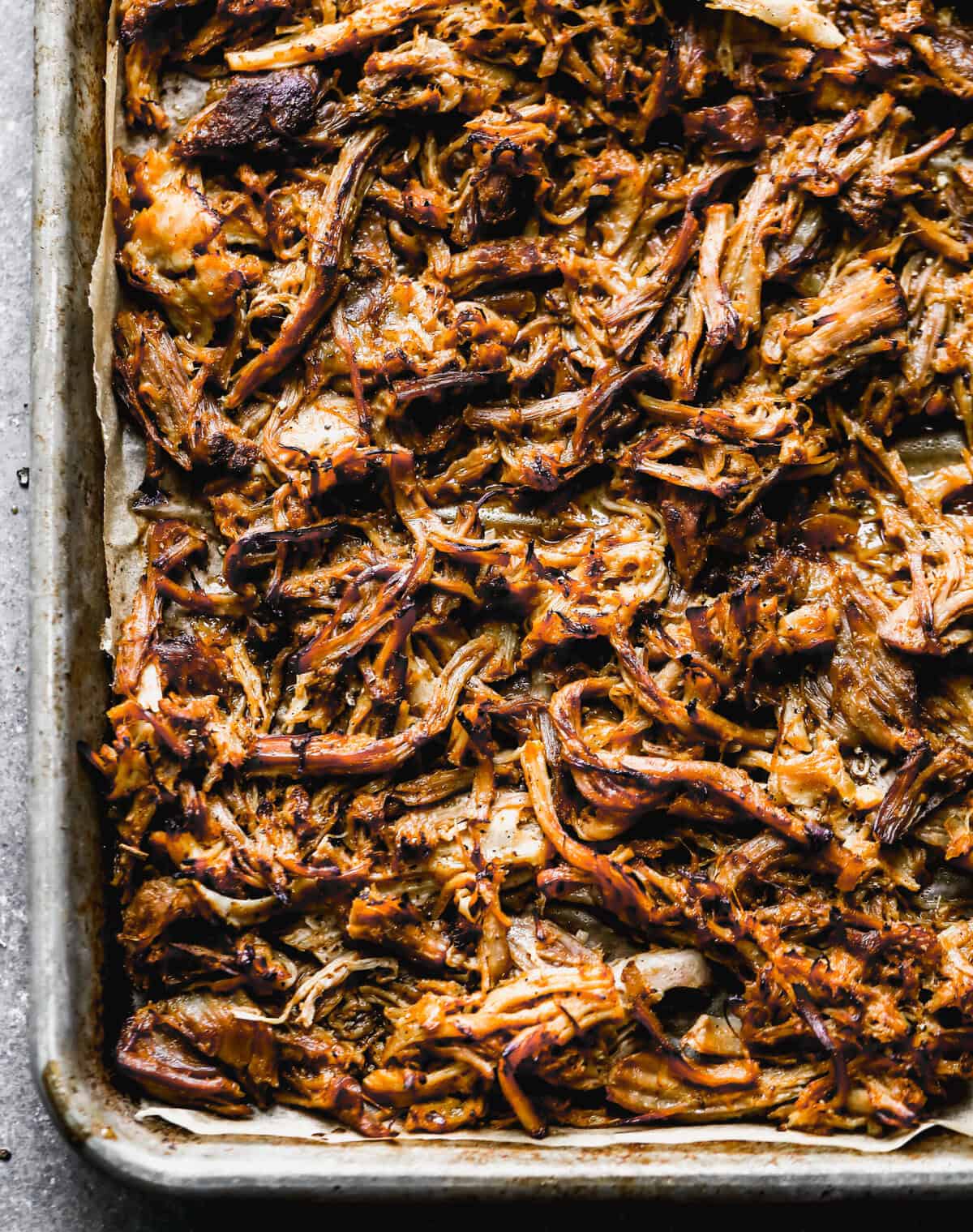
- Spread the shredded carnitas in a single layer on a baking sheet.
- Drizzle with a couple of tablespoons of the rendered pork fat.
- Place under a preheated broiler for 5-10 minutes, watching carefully to prevent burning. Turn the pork once or twice to crisp evenly. This method is excellent for getting widespread crispy bits quickly.
Expert Tip: Don't discard the rendered pork fat! Strain it through a fine-mesh sieve and store it in the refrigerator. It's liquid gold for future batches of carnitas, frying tortillas, or even roasting vegetables. The flavor it carries is incredible.
Serving Your Masterpiece: Beyond the Taco
Once your carnitas taqueria style pork has achieved its perfect balance of crispy and tender, the culinary possibilities are endless. While tacos are the quintessential serving method, don't limit yourself!
- Classic Tacos: Warm corn tortillas are a must. Pile high with carnitas, a sprinkle of fresh cilantro, diced white onion, and a squeeze of lime juice. A good salsa roja or salsa verde is the perfect accompaniment.
- Carnitas Burritos or Bowls: Combine with rice, beans, salsa, guacamole, and cheese for a hearty meal.
- Tortas de Carnitas: Create an epic Mexican sandwich on a crusty roll with refried beans, avocado, pickled jalapeños, and plenty of carnitas.
- Quesadillas or Gorditas: Use carnitas as a delicious filling for cheesy quesadillas or sturdy gorditas.
- Carnitas Nachos: Layer over tortilla chips with cheese, beans, and all your favorite nacho toppings.
Storage & Reheating: Leftover carnitas can be stored in an airtight container in the refrigerator for 3-4 days. To reheat, the best method is to crisp it up again in a hot skillet with a little rendered fat, just like the final step of cooking. This brings back that beautiful texture.
Conclusion
Making authentic carnitas taqueria style pork at home might seem like a labor of love, but the rewarding flavors and textures are truly worth every moment. By understanding the importance of the right cut of pork, the magic of cooking in lard, and the crucial crisping stage, you can confidently recreate this beloved Mexican street food in your own kitchen. Embrace the process, savor the aromas, and get ready to enjoy carnitas so good, you might just open your own taqueria. Buen provecho!
