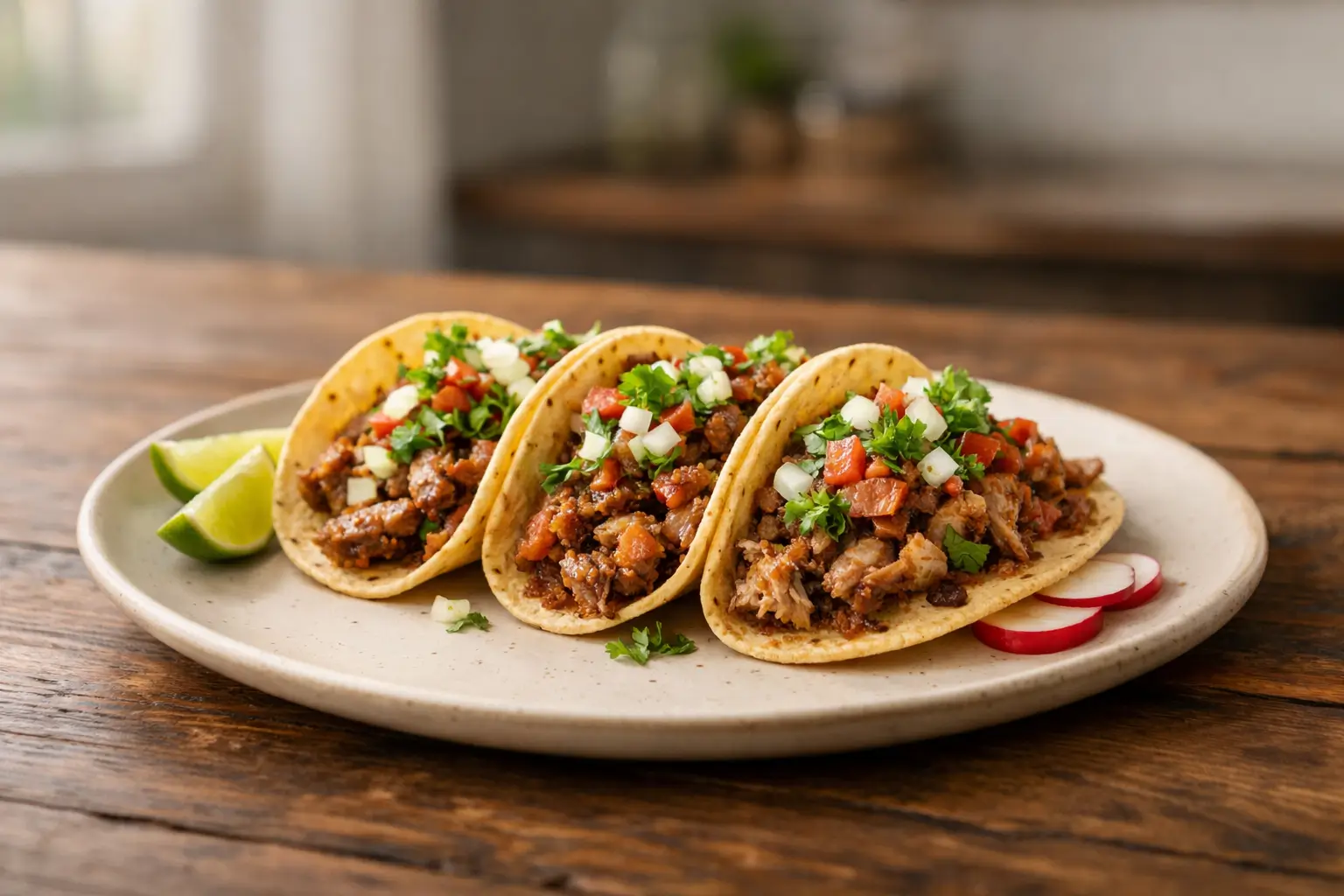
There's a reason why the aroma of perfectly cooked carnitas draws crowds to bustling taquerias across Mexico and beyond. That irresistible combination of deeply caramelized, crispy edges giving way to unbelievably tender, juicy pork is nothing short of culinary magic. But what exactly makes carnitas taqueria style pork so uniquely delicious, and can you truly replicate that authentic experience in your own kitchen? The answer is a resounding yes, and we're here to unlock the secrets.
What Makes Taqueria Carnitas So Irresistible?
Forget everything you think you know about "pulled pork." While both involve slow-cooked pig, authentic taqueria carnitas occupies an entirely different universe of flavor and texture. Its hallmark is a sublime contrast: chunks of pork that are simultaneously incredibly moist and fall-apart tender on the inside, encased in a shatteringly crisp, golden-brown exterior. This dual texture is what sets it apart and makes it the star of tacos, tortas, and burritos.
The traditional method for making this beloved Mexican dish involves cooking large pieces of pork, often pork shoulder or pork butt, slowly in their own rendered fat (or added lard) until they are fork-tender. This process is akin to a confit, where the meat is gently braised and essentially fried in fat. The result is a depth of flavor that cannot be achieved through simple braising or roasting alone. It's a culinary journey from raw pork to golden, savory perfection, defining the essence of true carnitas taqueria style pork.
The Essential Ingredients and Cut for Authentic Carnitas
Achieving legendary carnitas begins with selecting the right ingredients. While the process might seem intricate, the ingredient list is surprisingly humble, emphasizing quality over quantity.
- The Pork Cut: Pork Shoulder (Boston Butt)
This is non-negotiable. Pork shoulder, often labeled as Boston butt, is ideal because it has a perfect balance of meat, fat, and connective tissue. The fat renders down, moistening the meat and providing the essential medium for confit-style cooking, while the connective tissue breaks down into gelatin, adding incredible tenderness and a succulent mouthfeel. Cutting the pork into manageable 2-3 inch chunks ensures even cooking. - The Fat: Lard (Manteca)
Traditional carnitas demand lard. While the pork shoulder will render some of its own fat, supplementing with pure pork lard (manteca) is crucial for a truly authentic confit. Lard has a high smoke point and a neutral flavor profile that allows the pork's natural taste to shine. It’s not just a cooking medium; it’s an integral flavor component that provides richness and aids in the crisping process. - The Liquids: Water, Orange Juice, Milk (and sometimes more)
Beyond the fat, a mixture of liquids helps tenderize the meat and impart subtle flavors.- Water: The primary liquid for braising, ensuring the meat becomes tender before the fat takes over.
- Orange Juice: A classic addition, the acidity helps tenderize the meat further and adds a hint of sweetness and citrus brightness that cuts through the richness of the pork.
- Milk: Often a surprising addition, milk helps in tenderizing and creates a beautiful golden-brown crust. The milk solids caramelize, contributing to that distinctive color and flavor.
- Optional: Soda (like Coca-Cola) or Beer: Some regional variations include a splash of cola or beer, adding sugars for caramelization and complex flavors.
- Simple Seasoning: Salt (and Aromatics)
Authentic carnitas are often seasoned simply with generous amounts of salt. This allows the pure pork flavor to dominate. Some recipes include aromatics like bay leaves, half an onion, or a few garlic cloves, which infuse the cooking fat and subtly flavor the meat.
Mastering the Traditional Cooking Process: From Simmer to Sizzle
The journey to perfect carnitas taqueria style pork involves a specific sequence of steps that are crucial for developing its characteristic texture and flavor. Patience and attention to detail are your best tools here.
Step 1: The Initial Braise and Confit
Start by combining the pork chunks, lard, and liquids (water, orange juice, milk, etc.) in a heavy-bottomed pot or Dutch oven. The liquid should cover the pork, or at least come close. Bring it to a simmer over medium heat, then reduce the heat to low, cover, and let it gently braise. This slow, low-temperature cooking allows the pork to break down, becoming incredibly tender as the fat slowly renders. This phase can take anywhere from 2 to 3 hours, depending on the quantity of pork and the pot. The goal is to reach a point where the pork can be easily shredded with a fork.
Step 2: Evaporation and Rendering
Once the pork is tender, remove the lid and increase the heat slightly. The goal now is to evaporate all the added liquids (water, orange juice, milk). As these liquids boil off, the pork will continue to cook in its own rendered fat and the added lard. This stage is critical; the fat acts as a confit medium, further tenderizing the meat and beginning the caramelization process. Stir occasionally to prevent sticking and ensure even cooking.
Step 3: The Golden Crisping Stage
After the liquids have fully evaporated, you'll be left with tender pork submerged in hot, shimmering lard. This is where the magic truly happens! The pork will begin to fry in its own fat. Stir more frequently during this stage, breaking up larger chunks if desired, allowing all sides of the pork to come into contact with the hot fat. The meat will start to crisp up and develop that signature golden-brown, crunchy exterior that defines authentic carnitas. This final crisping can take 30 minutes to an hour or more, depending on how crispy you like your carnitas. For a comprehensive guide to perfecting this at home, check out our detailed article: Master Authentic Taqueria Carnitas Pork at Home.
Secrets to Achieving Taqueria-Level Crispy & Tender Perfection
While the process outlines the main steps, there are nuanced tips that elevate homemade carnitas from good to truly exceptional, mirroring the quality you'd find at the best taquerias.
- Don't Fear the Fat: This is arguably the most crucial secret. Carnitas are a confit. The fat is not just for frying; it's essential for rendering the meat incredibly tender and juicy before crisping. Using enough lard ensures even cooking and prevents the pork from drying out.
- Patience is a Virtue: Rushing any stage, especially the initial braise, will result in tough or dry carnitas. Allow ample time for the meat to become fall-apart tender.
- Temperature Control: Maintain a gentle simmer during the braising phase. For the crisping stage, a medium-high heat is ideal to achieve caramelization without burning.
- Chopping, Not Shredding: While "pulled pork" implies shredding, authentic taqueria carnitas are often roughly chopped into smaller, irregular pieces after cooking. This creates more surface area for crisping and better textural variety in each bite. Some taquerias might even leave larger chunks, then chop them on the griddle just before serving, creating fresh crispy bits.
- The Griddle Finish (Optional but Recommended): For ultimate crispiness, many taquerias will take the cooked, tender carnitas and briefly chop and crisp them on a hot griddle or flat-top just before serving. A quick pan-fry in a little of the reserved rendered lard before assembling your tacos will achieve similar results at home. This is the ultimate technique to Experience Taqueria Carnitas: Crispy, Tender Pork at its peak.
- Serve Simply: The beauty of carnitas lies in its rich, unadulterated flavor. Serve your perfect carnitas taqueria style pork on warm corn tortillas with a sprinkle of fresh cilantro, diced white onion, and a squeeze of lime. A dash of your favorite salsa verde or roja is all you need.
Unlocking the secrets to perfect taqueria carnitas is a rewarding culinary adventure. It requires a bit of time and a generous hand with lard, but the result – succulent, crispy, flavor-packed pork – is undeniably worth the effort. By understanding the key ingredients, mastering the traditional confit method, and applying these practical tips, you can bring the authentic taste of a Mexican taqueria right into your home. So, gather your ingredients, embrace the process, and prepare to delight your taste buds with truly exceptional carnitas!
